Solid phosphoric acid catalysts are a cornerstone in many industrial applications, offering unique benefits to enhance process efficiencies. These catalysts are integral to a variety of industries due to their effectiveness in facilitating essential chemical reactions.
The catalysts provide a sustainable option for industries looking to improve efficiency and reduce costs. As industries strive for better performance and sustainability, the use of solid phosphoric acid catalysts becomes increasingly crucial.
By understanding their role and application, industries can maximize their potential and drive innovation in production processes. The role of these catalysts transcends basic reaction facilitation, offering a pathway to more eco-friendly and cost-effective industrial solutions.
1. What are Solid Phosphoric Acid Catalysts?
1.1 Definition and Composition
Solid phosphoric acid catalysts consist primarily of phosphoric acid supported on a solid matrix, often diatomaceous earth or silica. Their composition allows them to function effectively in various high-temperature reactions by providing the necessary acidic sites for catalysis.
The structure of these catalysts creates an extensive surface area, optimizing the reactions they facilitate. This unique chemical makeup enables them to withstand the rigorous conditions prevalent in industrial environments.
Understanding their composition is crucial for industries seeking to employ them for specific chemical processes. By tailoring the composition of the catalyst, industries can enhance reaction selectivity and efficiency.
1.2 Historical Development
Solid phosphoric acid catalysts have evolved significantly since their inception in the early 20th century. Initially developed for simple chemical transformations, their role has expanded as industries’ needs have grown more complex.
Their evolution is marked by continual advancements in catalyst support and formulation technologies. As researchers discovered new industrial applications, the development of these catalysts accelerated, improving their effectiveness and longevity.
Today, they are an indispensable component across numerous industrial processes, reflecting decades of technological progress. The history of these catalysts mirrors the broader trajectory of industrial development and innovation.
2. How Do Solid Phosphoric Acid Catalysts Work?
2.1 Catalytic Mechanism
The catalytic action of solid phosphoric acid catalysts is based on their ability to provide acidic sites conducive to reaction initiation. These sites facilitate the breaking and formation of chemical bonds, driving the desired reactions forward.
This process involves the generation of carbocations, which are intermediates that react with input materials to produce target products. The solid support plays a crucial role, ensuring the stability and accessibility of these active sites.
The fundamental principles of their catalytic mechanism are grounded in surface chemistry and reaction kinetics. Understanding these principles allows industries to tailor catalyst conditions for optimal performance.
2.2 Reaction Pathways
Solid phosphoric acid catalysts enable a variety of chemical reactions, notably including alkylation, isomerization, and polymerization. These reactions are central to producing valuable end-products, such as fuel additives and polymers.
The catalysts operate under specific temperature and pressure conditions, which are controlled to direct reaction pathways effectively. By managing these variables, industries can enhance product yield and quality.
The adaptability of solid phosphoric acid catalysts to different reaction conditions is a testament to their versatility. This adaptability makes them highly valuable across diverse industrial applications seeking specific reaction outcomes.
3. What Industries Benefit From Solid Phosphoric Acid Catalysts?
3.1 Petrochemical Industries
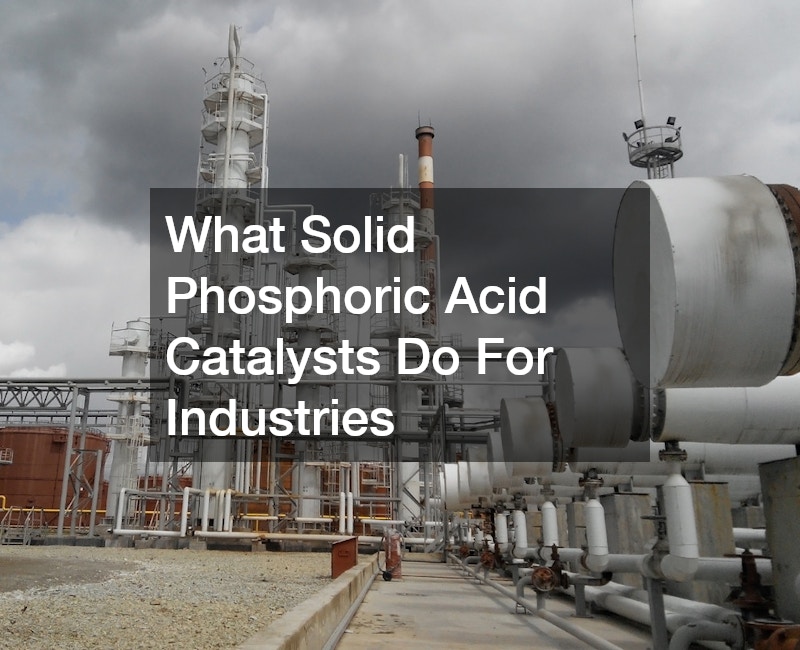
In the petrochemical sector, solid phosphoric acid catalysts are instrumental in processes such as alkylation, which produces high-octane fuel components. Their use in the industry is driven by the need for efficient, high-yield production methods.
The catalysts’ ability to enhance reaction rates while maintaining desired selectivity is particularly beneficial for petrochemical processing. This leads to cost savings and improved environmental compliance by producing cleaner fuels.
The reliance on these catalysts highlights the petrochemical industries’ ongoing pursuit of technological advancements. Solid phosphoric acid catalysts continue to be at the forefront of meeting the sector’s ever-growing demands.
3.2 Pharmaceutical and Fine Chemicals
In pharmaceutical manufacturing, the precision required for chemical synthesis necessitates the use of reliable catalysts like solid phosphoric acid. These catalysts facilitate reactions that are crucial for producing active pharmaceutical ingredients.
Their applications extend to the fine chemicals sector, where they aid in synthesizing high-value chemical products. By enabling complex reaction pathways, they support the production of diverse chemical entities.
Their role in these industries underscores the importance of catalysts in achieving controlled and selective chemical transformations. As such, they are vital in the development of new pharmaceuticals and chemicals.
4. What Are the Advantages of Using Solid Phosphoric Acid Catalysts?
4.1 Efficiency and Cost-Effectiveness
The use of solid phosphoric acid catalysts leads to significant improvements in process efficiency and cost savings. Their ability to accelerate reaction rates and improve product yields reduces operational expenses substantially.
Moreover, their durability minimizes the need for frequent replacement, further driving down costs. Industries benefit from these efficiencies by achieving higher productivity levels without sacrificing quality.
The cost-effectiveness of these catalysts is a compelling advantage for industries competing in global markets. Their integration into industrial processes underscores a strategic approach to cost management and operational effectiveness.
4.2 Environmental Benefits
Solid phosphoric acid catalysts contribute to environmental sustainability by reducing the energy requirements of chemical reactions. The enhanced efficiency of catalytic processes results in lower carbon emissions and a reduced environmental footprint.
Additionally, cleaner production methods align with regulatory compliance and corporate sustainability goals. These catalysts enable the creation of environmentally friendly products that are increasingly demanded by consumers.
Their environmental benefits are a crucial factor in their widespread industrial adoption. As industries face mounting pressure to become more sustainable, solid phosphoric acid catalysts offer a viable pathway toward greener operations.